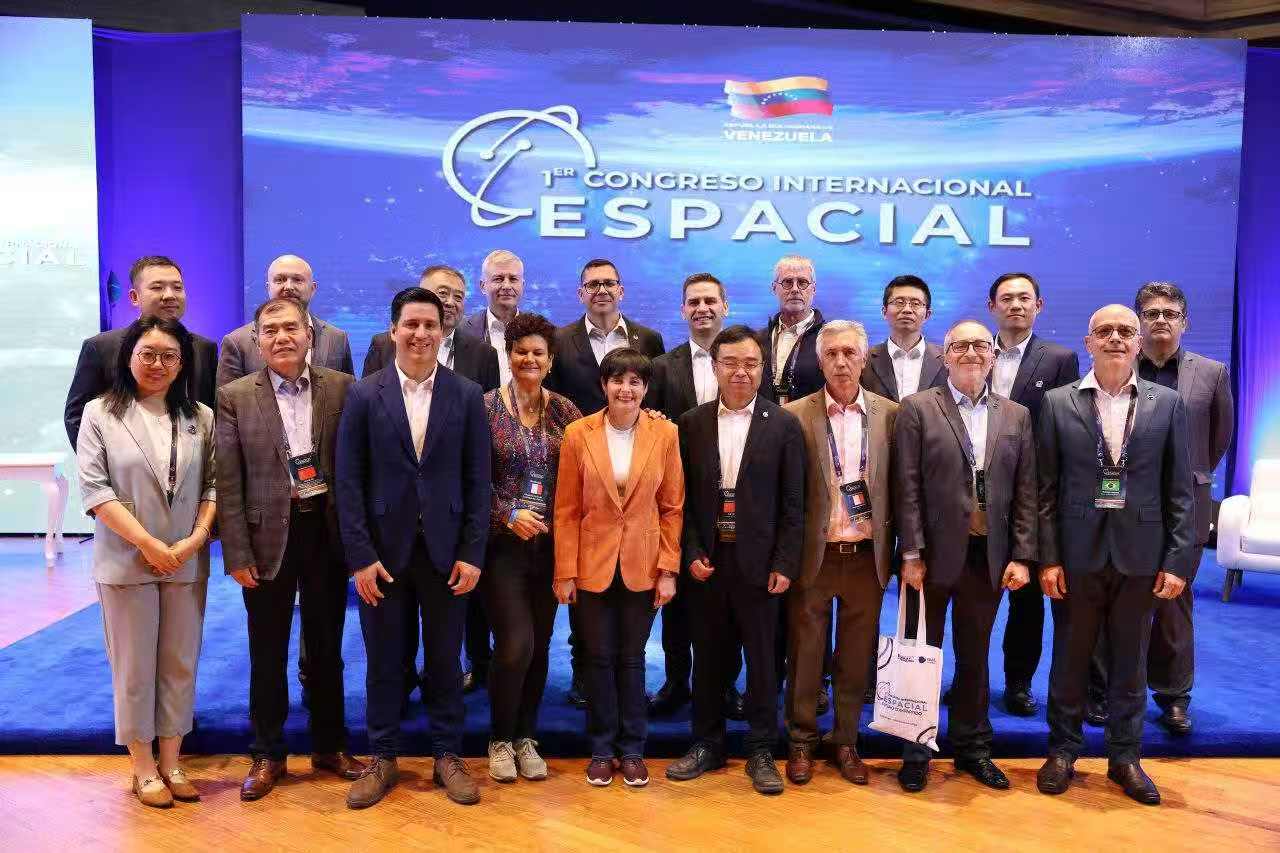
From October 29 to 31, 2025, Professor Huang Hai, an expert in Micro Satellite Technology from the Regional Centre for Space Science and Technology Education in Asia and the Pacific (China) (Affiliated to the United Nations) (RCSSTEAP), was invited to visit Caracas, the capital of Venezuela, to attend the 1st International Space Congress, themed “New Challenges of Space Technology for a Shared Future,” and deliver a keynote speech. The congress attracted experts and scholars from China, Russia, France, Brazil, Turkey, and other countries, serving as a vital platform for developing countries to advance the indigenous development of aerospace technology and their multilateral cooperation.
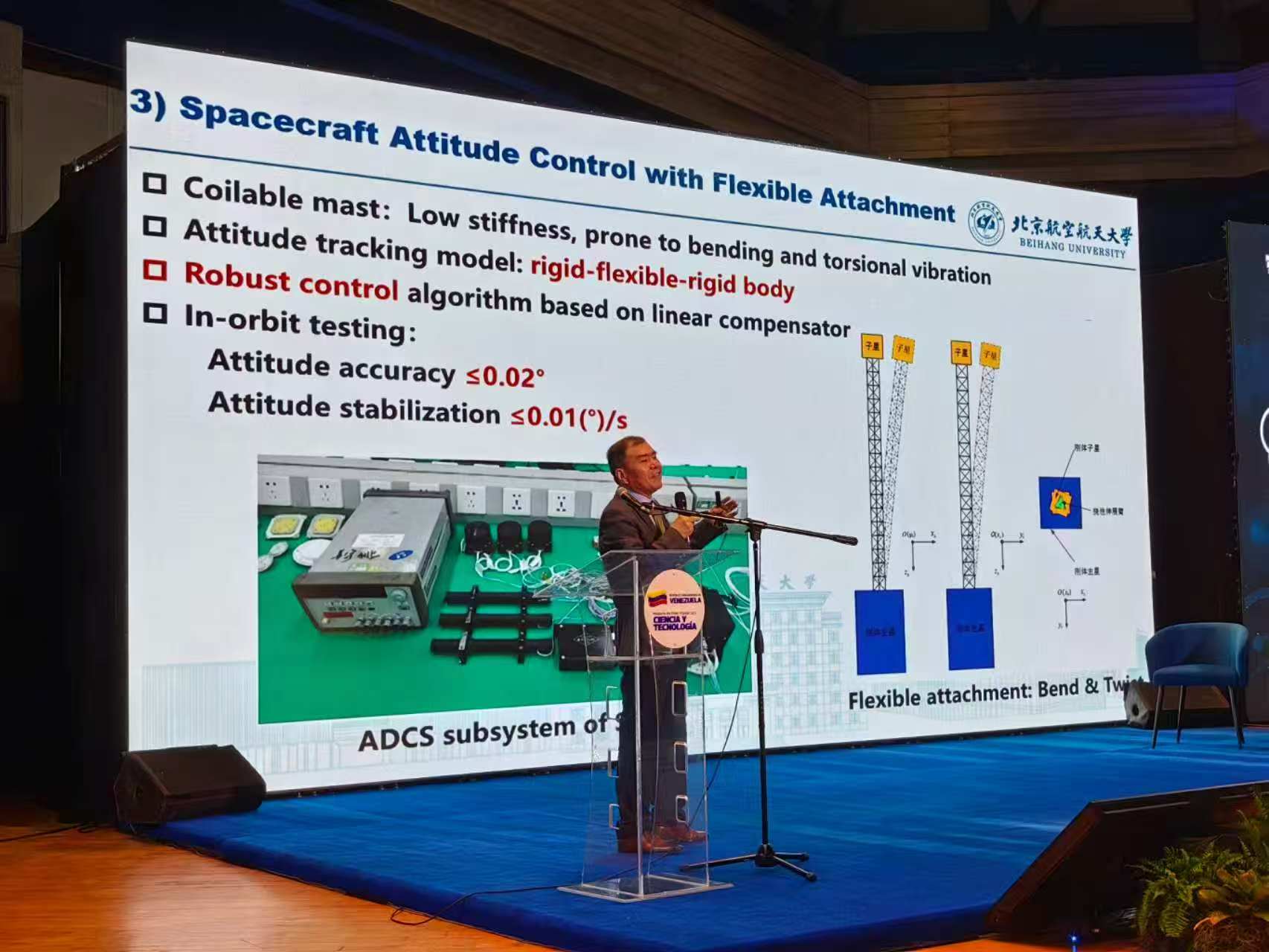
In his keynote speech titled “Micro-Satellite SSS-1 & Its Tests in Orbit”, Prof. Huang provided an overview of the APSCO Student Small Satellite (SSS) Project, presenting its design, on-orbit performance, and its exemplary significance in fostering aerospace education and international cooperation. The speech was warmly received by over 340 participants at the capacity-filled venue.
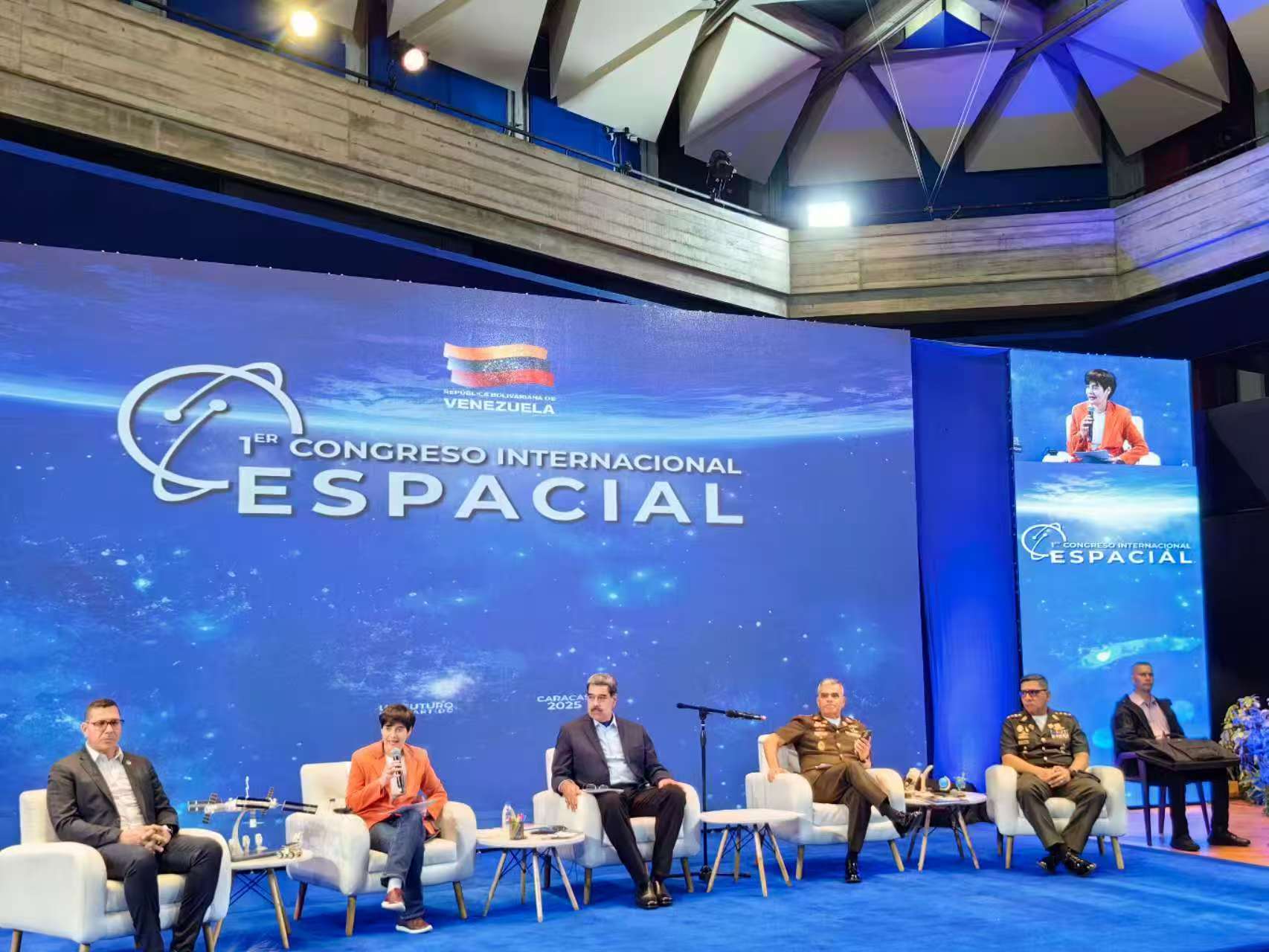
During the closing session of the congress, President Nicolás Maduro Moros personally attended, shaking hands with ambassadors from China, Russia, France, and Brazil, as well as with the key speakers. In his speech, the President announced that Venezuela would accelerate the launch of the “Gran Cacique Guaicapuro” communication satellite, which was jointly developed by China and Venezuela. This held great importance for Venezuela to take ownership of its development and advance its strategic cooperation and scientific exchange with China.
On October 31, Prof. Huang, invited by the Venezuelan Space Agency, visited its relevant divisions and toured the remote-sensing data application systems of VRSS-1 and VRSS-2 (“Venesat-1” and “Venesat-2”), as well as cooperation projects based on the GLONASS navigation system. Both sides held in-depth discussions on implementing the instructions outlined in President Maduro’s speech on small-satellite development and agreed to explore the possibility of initiating a China–Venezuela joint microsatellite project. The Venezuelan side planned to organize online meetings with Beihang experts to further refine the cooperation plan.
During the visit, Prof. Huang also met several Beihang alumni, who have become core members of Venezuela’s space sector. One alumnus, who earned a PhD at Beihang University through work on the VRSS-1 project, was already promoted to the rank of General, fully demonstrating Beihang University’s influence on international aerospace education.
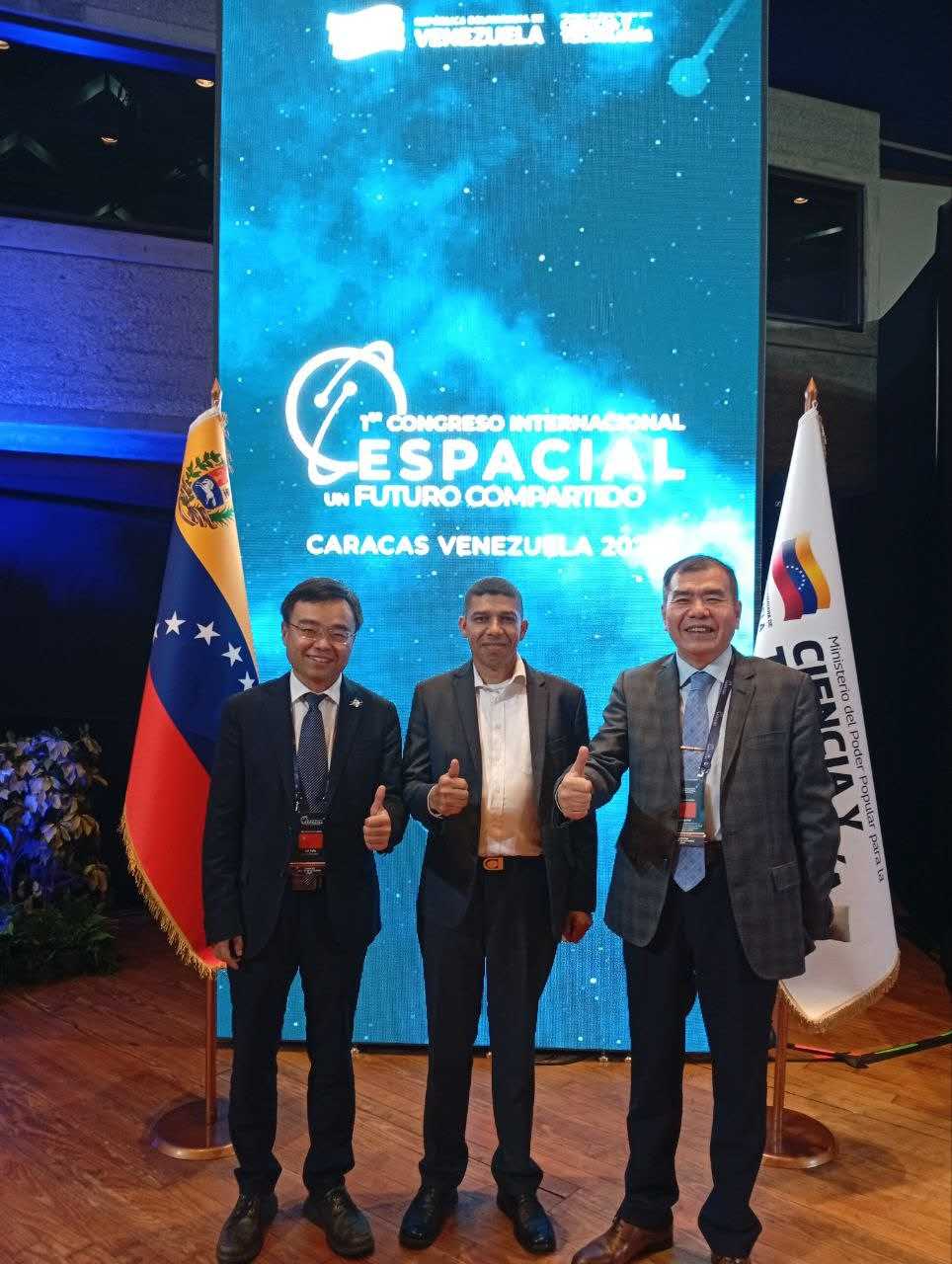
The visit was successfully completed as planned. It not only demonstrated the leadership of RCSSTEAP in global space education and cooperation but also injected new momentum into China–Venezuela aerospace cooperation. Through joint small-satellite projects and scientific training initiatives, both sides will continue to promote the indigenous development of space technology and the cultivation of young talent in innovation, together contributing to the building of a shared and inclusive space civilization.