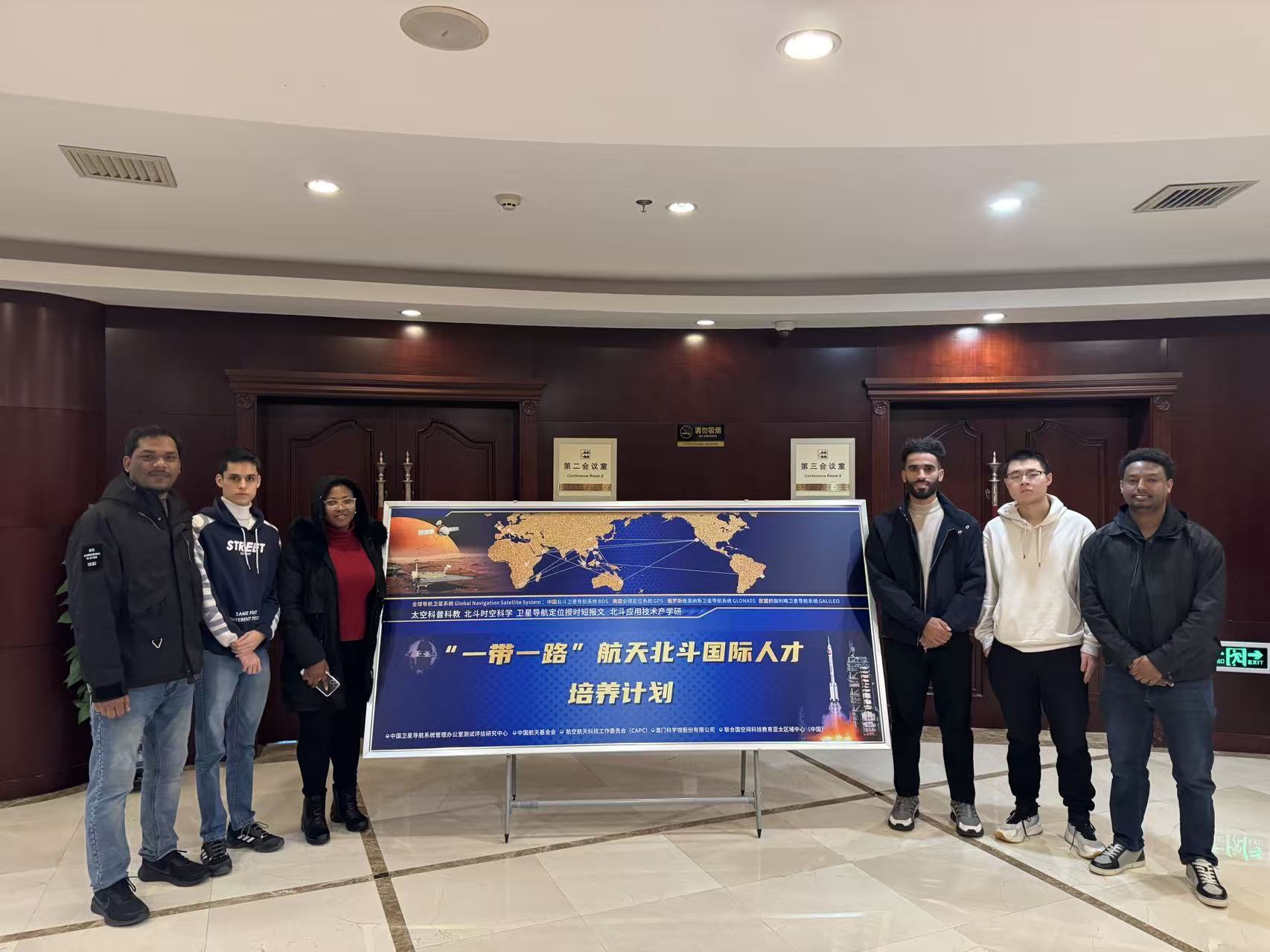
Recently, the Regional Centre for Space Science and Technology Education in Asia and the Pacific (China) (Affiliated to the United Nations) (RCSSTEAP) selected six trainees to attend a Belt and Road International Talent Training Program in Beijing, focusing on Aerospace and the Beidou Navigation System. Jointly organized by the China Space Foundation, the Aerospace Science and Technology Working Committee, and the Macao Science Center, the program aimed to deepen international professional exchange through systematic theoretical and practical instruction.
The curriculum blended classroom lectures with hands-on sessions, covering the fundamental theories and applications of the Beidou system. Participants engaged in systematic study of key areas, including an introduction to Beidou navigation, the history and current status of global satellite navigation systems, and the core principles of Beidou positioning. Detailed topics covered coordinate systems and mapping, NMEA fundamentals, time service basics, and the Short Message Service (SMS).
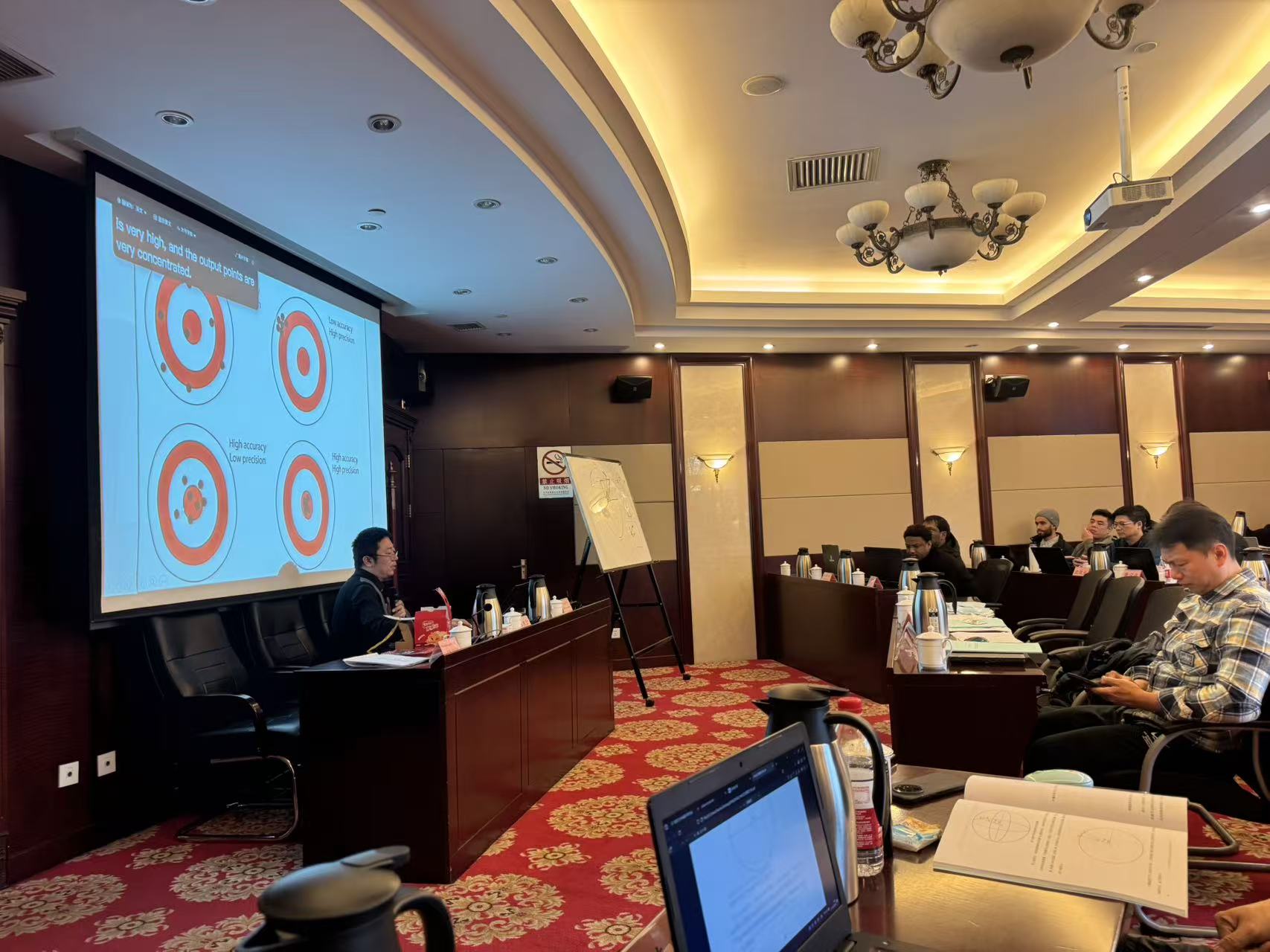
During the practical sessions, under the guidance of instructors, participants conducted experiments on coordinate and time system conversion, analyzed single-point positioning accuracy, and performed navigation receiver performance tests. Through direct operation of the equipment, they consolidated their theoretical knowledge and gained a deeper understanding of Beidou/GNSS applications in high-precision positioning and data analysis.
A highlight of the program was a visit to the Beijing Research Institute of Telemetry (part of the Ninth Academy of the China Aerospace Science and Technology Corporation, CASC). As a key research institution in China's aerospace electronic information technology, its experts presented the advanced technologies and engineering applications of the Beidou Satellite Navigation System in telemetry, remote control, and data transmission. This on-site visit provided participants with firsthand insight into the rapid development of China's aerospace sector and a valuable opportunity for face-to-face dialogue with frontline researchers.
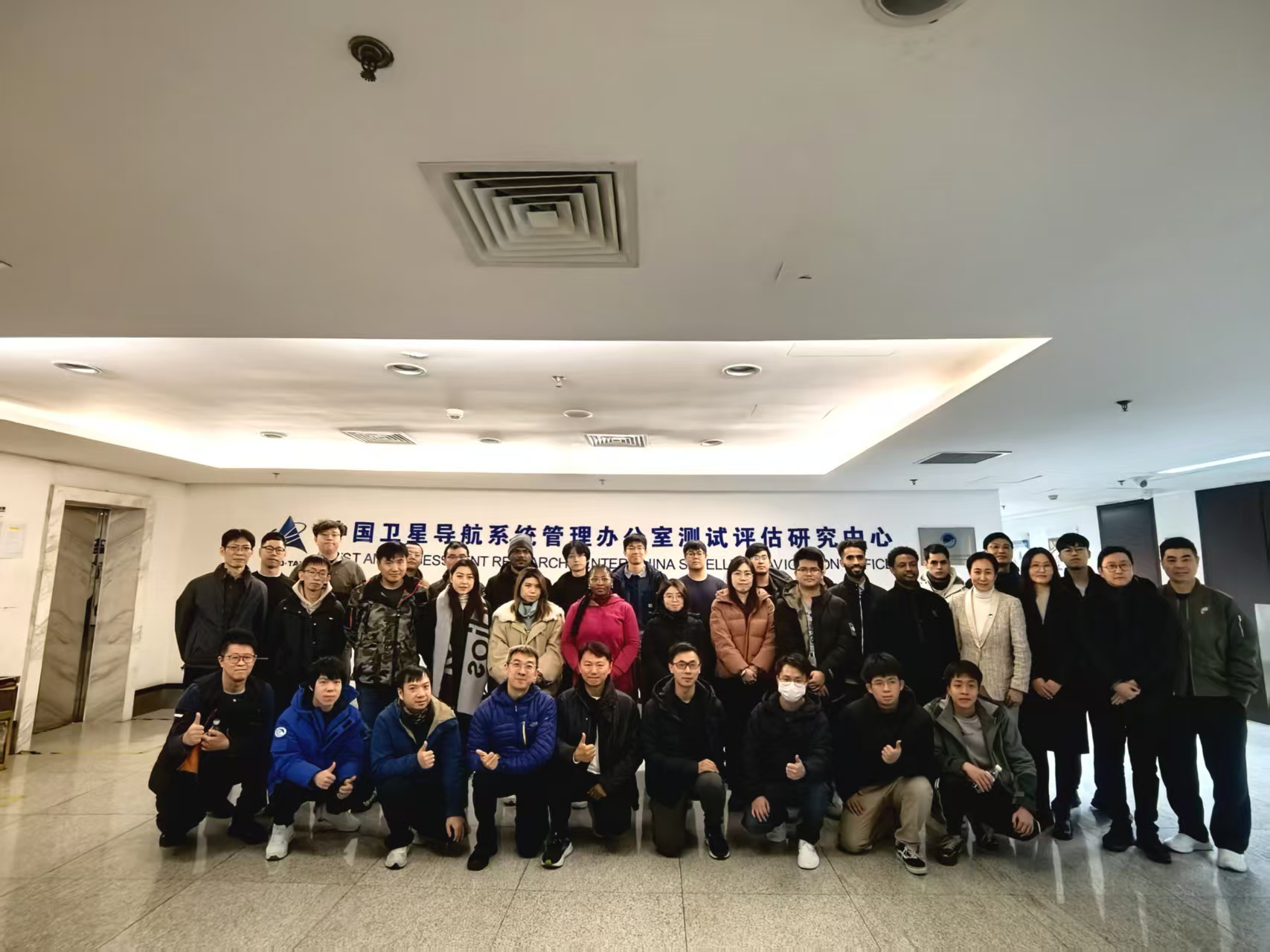
After several days of intensive training, all six trainees successfully completed the program. The initiative not only enhanced the participants' theoretical knowledge and practical skills in Beidou technology but also served as a vital platform for fostering international aerospace exchange and promoting the adoption of the Beidou system across Belt and Road countries.